

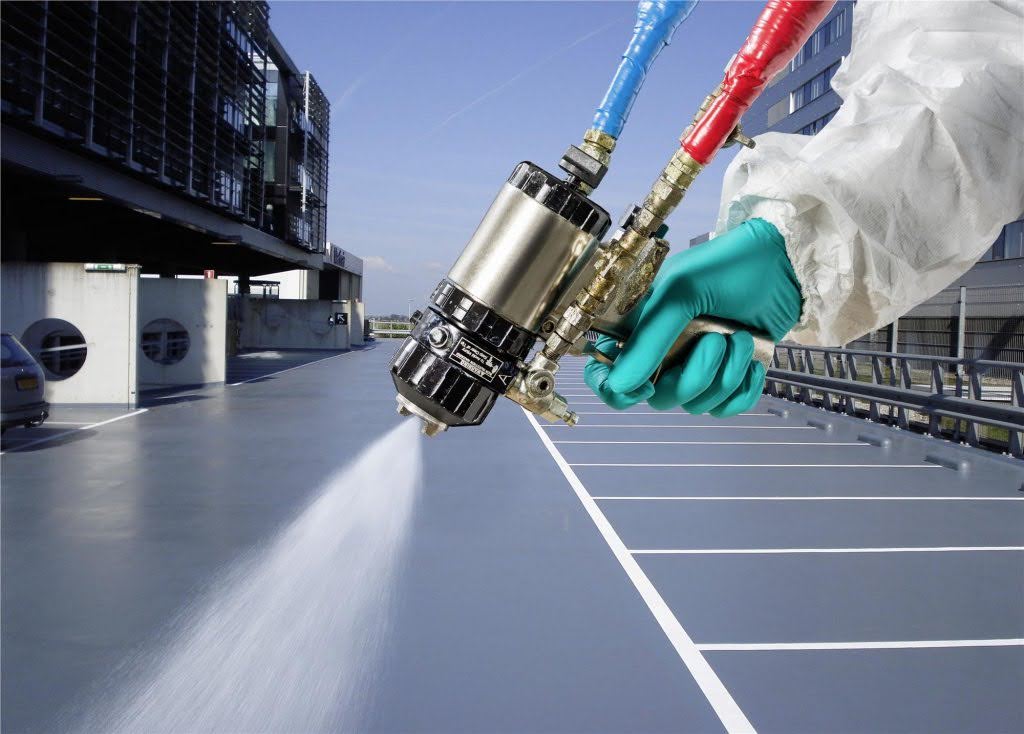
Spray-applied coatings have reshaped how industries protect surfaces. From tanks and trailers to concrete pads and steel beams, these coatings seal, reinforce, and extend the life of vital infrastructure. Among the materials used, polyurea stands out for its ability to perform under pressure. It bonds quickly, resists impact, and maintains integrity in some of the harshest environments.
At the heart of this performance lies a chemical reaction. Polyurea forms when isocyanates and amine resins combine at high pressure. The process happens fast—within seconds—which allows applicators to build thick, seamless layers without waiting for cure times between coats. The speed matters not just for convenience but for reliability. In high-traffic zones or critical service areas, the less time spent waiting, the sooner the system returns to service.
Polyurea also adheres to a wide range of substrates. Concrete, steel, fiberglass, and wood can all receive polyurea coatings with proper preparation. That flexibility means crews don’t need to switch materials between jobs. They can adjust their technique, not their product, to meet the demands of each site. The end result is a protective membrane that seals out water, deflects impact, and resists corrosion from chemicals or UV exposure.
Many industries now rely on polyurea to solve long-standing maintenance problems. Loading docks, containment dikes, and equipment trailers all suffer wear from use and exposure. Paint flakes. Metal rusts. Concrete spalls. But when sealed with polyurea, these surfaces resist damage. Even when equipment rolls over them or weather turns extreme, the coating holds.
Because polyurea cures so quickly, it conforms to complex shapes. Vertical seams, inside corners, rounded edges, and threaded inserts can all be coated in a single pass. The result is a continuous barrier. No seams. No joints. No weak points. That level of coverage would be difficult to achieve with roll-on or brush-on coatings.
The team at SprayOnCoatings.com has seen how polyurea changes the job site. Fewer callbacks. Less surface prep over time. More confidence in long-term performance. For applicators, the material provides a consistent spray pattern and a stable cure profile. For owners, it reduces maintenance cycles and protects capital investment.
Still, performance depends on the skill of the applicator. Surface conditions must be understood. Moisture levels need to be checked. Equipment must be dialed in. That’s where polyurea training