

Polyurethane, a long-lasting substance,, has a history that traces back to the early 20th century. Its evolution and diverse applications have impacted industries. Delving into the history of polyurethane offers insights into its significance and the advancements it has brought about.
In 1937, Dr. Otto Bayer, a scientist employed at IG Farben, a chemical firm, stumbled upon polyurethane. His objective was to develop a material with qualities comparable to existing plastics and rubbers. Through his experiments, he discovered that combining diisocyanates with polyols led to the creation of a polymer with properties. This breakthrough marked the inception of polyurethane, paving the way for its future uses.
The onset of World War II hastened the progression of polyurethane. The wartime scenario necessitated materials with characteristics, and polyurethane’s adaptability made it ideal for purposes. During this period, it was utilized in manufacturing coatings, adhesives, and foams. These early applications showcased the material’s potential and laid down the foundation for its expansion post-war.
Following the wars conclusion commercial production of polyurethane started gaining momentum. In the 1950s innovative manufacturing techniques were introduced, facilitating large scale production of polyurethane.
A major leap forward occurred with the invention of polyurethane foam. This breakthrough transformed the furniture and bedding sectors by offering an long lasting material, for cushions and mattresses.
The automotive field also welcomed polyurethane with arms. Manufacturers discovered that polyurethane coatings could shield car bodies from rust and harm. Moreover polyurethane foams found their way into car seats and interiors enhancing both comfort and durability. The materials ability to cater to requirements made it an indispensable element in manufacturing.
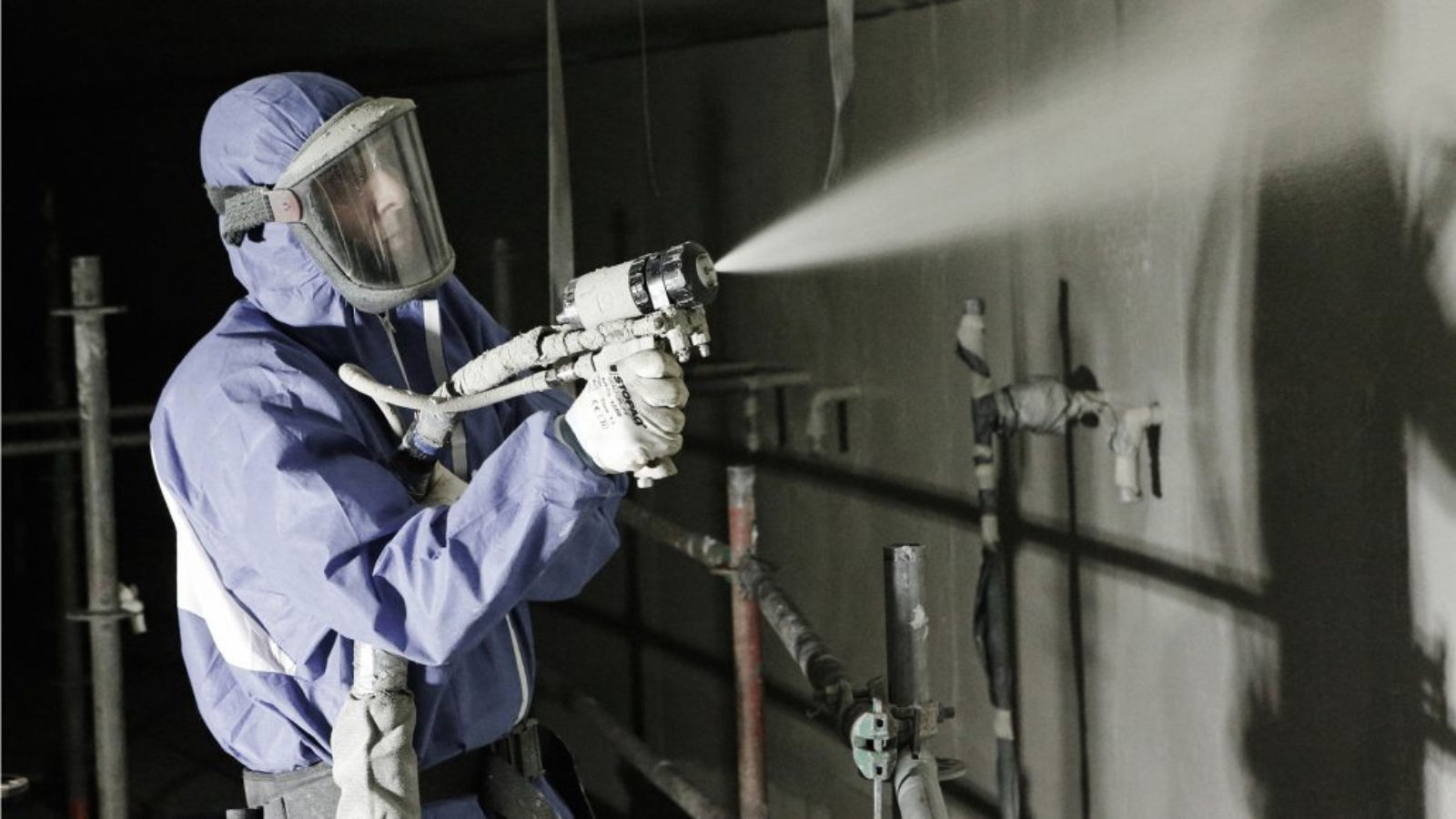
During the 1960s and 1970s the applications of polyurethane continued to diversify. The construction industry started utilizing polyurethane for insulation purposes. Spray foam insulation derived from polyurethane provided resistance thereby boosting energy efficiency in buildings. This era also witnessed the emergence of polyurethane foam, which boasted strength and insulating properties. These advancements underscored polyurethane’s versatility and its contribution to advancing construction technologies.
The footwear sector also reaped benefits from the qualities of polyurethane. Polyurethane soles gained popularity due to their sturdiness and comfort levels. The materials resilience and flexibility made it perfect for crafting shoes. This application further showcased the adaptability of polyurethane as its capacity to elevate everyday products.
Furthermore the medical domain embraced polyurethane and polyurea across a range of uses thanks to its biocompatibility. Its suitability, for devices and implants highlighted its value in healthcare applications.
Polyurethane has been widely utilized in the production of products, like catheters and wound dressings meeting health and safety standards crucial for healthcare applications.
The evolution of polyurethane did not halt there. Throughout the 20th and early 21st centuries continuous advancements were made. Researchers concentrated on enhancing the materials characteristics and exploring applications. Breakthroughs in chemistry paved the way for formulations of polyurethane, broadening its usage scope from advanced coatings and adhesives to high-performance elastomers.
Considerations have also influenced the polyurethane industry. The pursuit of materials has resulted in the emergence of bio based polyurethanes and polyurea training. These innovative formulations utilize resources reducing the footprint of manufacturing processes. This transition underscores the sectors dedication to sustainability and its ability to respond to evolving needs.
Presently polyurethane remains a material across industries. Its rich history of innovation and flexibility secures its significance. From its inception by Dr. Otto Bayer to applications polyurethane stands out as an indispensable material. Its impact on sectors such, as automotive, construction, furniture, footwear and healthcare highlights its role.
In essence the narrative of polyurethane encapsulates a journey marked by discovery, progress and adjustment.
Dr. Otto Bayers groundbreaking discovery paved the way, for a material that has revolutionized sectors. The progress in production and practical uses has broadened the application of polyurethane, establishing it as a component in manufacturing. With developments in the industry, the enduring reputation of polyurethane, for its adaptability and lasting nature is set to fuel continued advancements and influence the trajectory of material science.